Natural clays have been used in skincare for centuries, valued for their ability to cleanse, purify, and nourish the skin. In handmade soap, clays serve more than just a decorative purpose—they add real benefits that enhance the performance of the bar.
From gentle cleansing to oil control and improved lather, different types of clay bring unique qualities to artisan soap. When combined with carefully selected oils and fragrances, these natural ingredients help create a bar that feels both luxurious and effective.
Why Clays Are Used in Handmade Soap
Clays are mineral-rich earth powders formed from natural weathering of rocks and volcanic ash. Because of their structure, they have the ability to absorb oils and impurities from the skin.
In soap making, clays are often used to:
Add natural color to the soap
Improve slip and glide (great for shaving soaps)
Gently detox and cleanse the skin
Add skin-loving minerals
Create a silky, smooth feel
Clays are especially popular in artisan soaps because they are natural, simple ingredients that align with traditional soapmaking methods.
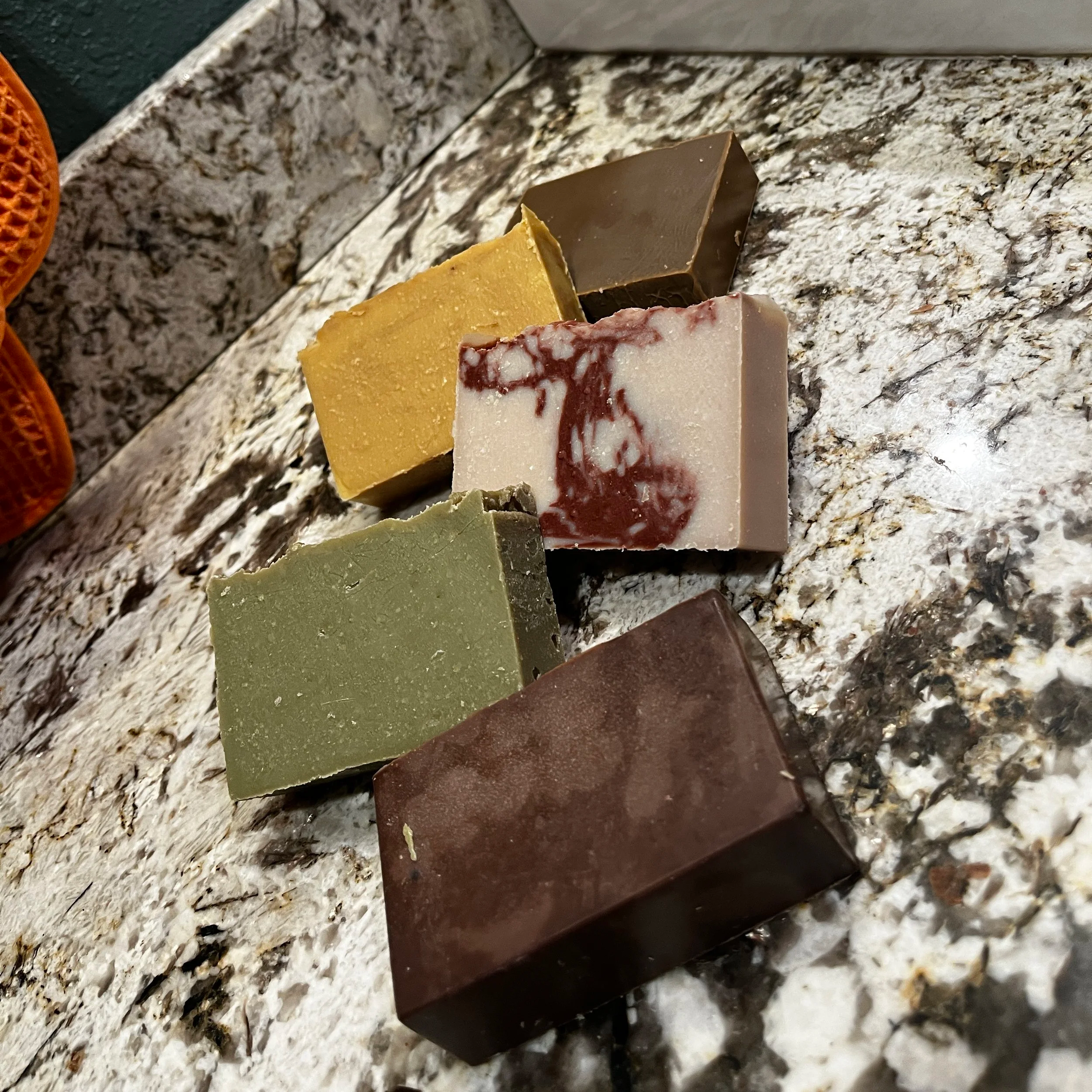
Popular Clays Used in Soap
Many types of cosmetic clays are used in handmade soap, each offering its own unique properties.
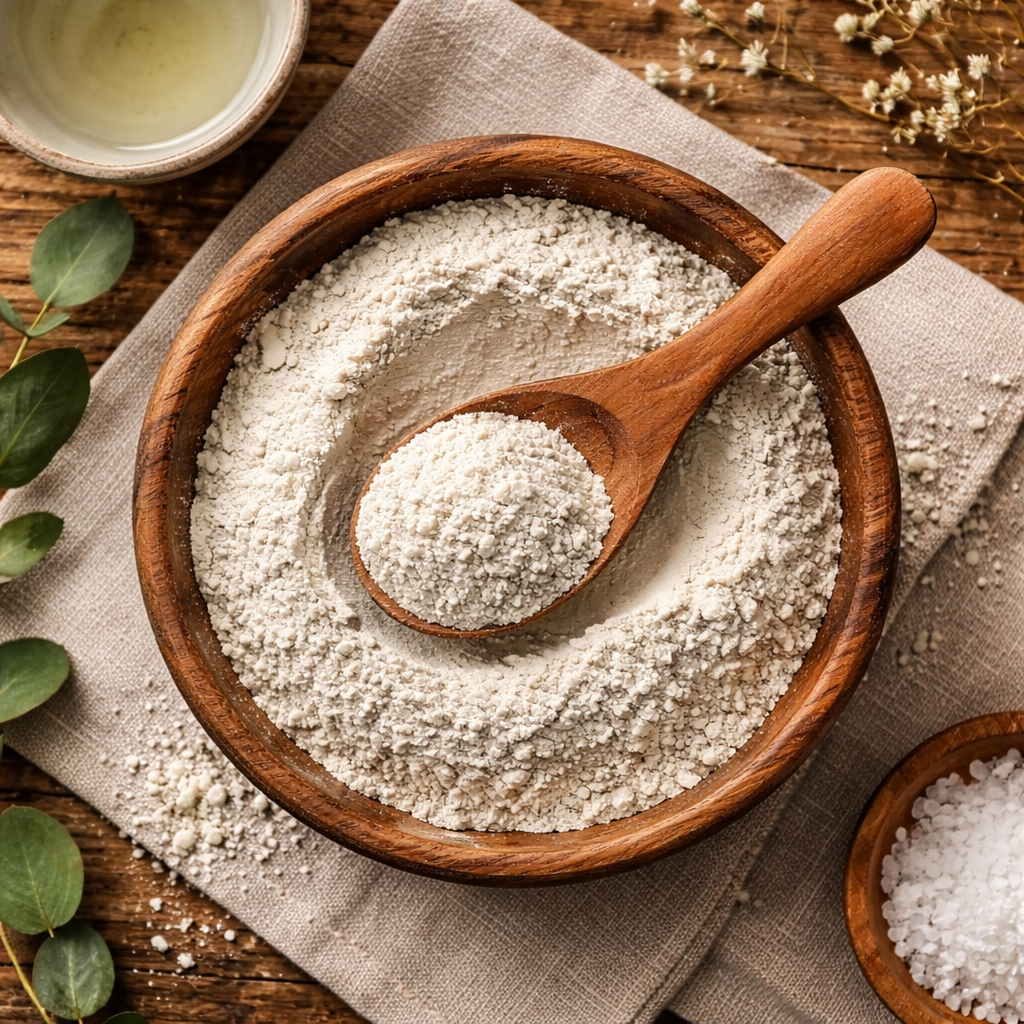
Kaolin Clay
Kaolin clay is one of the most gentle clays available and is commonly used in facial soaps and sensitive skin formulas.
Benefits of Kaolin Clay
Very mild and gentle on skin
Helps create a creamy lather
Adds slip for shaving soaps
Suitable for dry or sensitive skin
Because it is so mild, kaolin clay is often used in soaps meant for daily use.
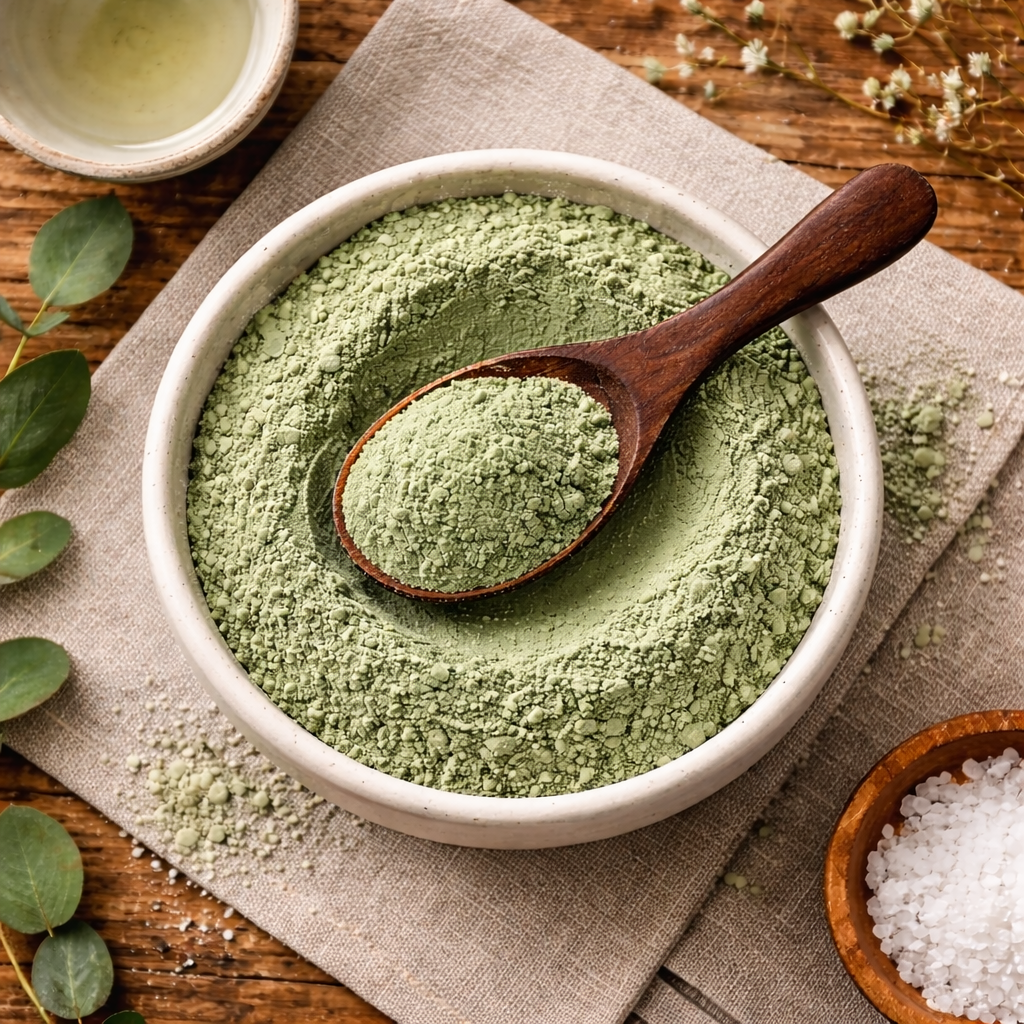
French Green Clay
French green clay is known for its powerful oil-absorbing properties and mineral-rich composition.
Benefits of French Green Clay
Helps remove excess oil from the skin
Deep cleansing and detoxifying
Rich in minerals like magnesium and calcium
Ideal for oily or combination skin
This clay gives soap a beautiful natural green color and is often used in earthy or masculine scents.
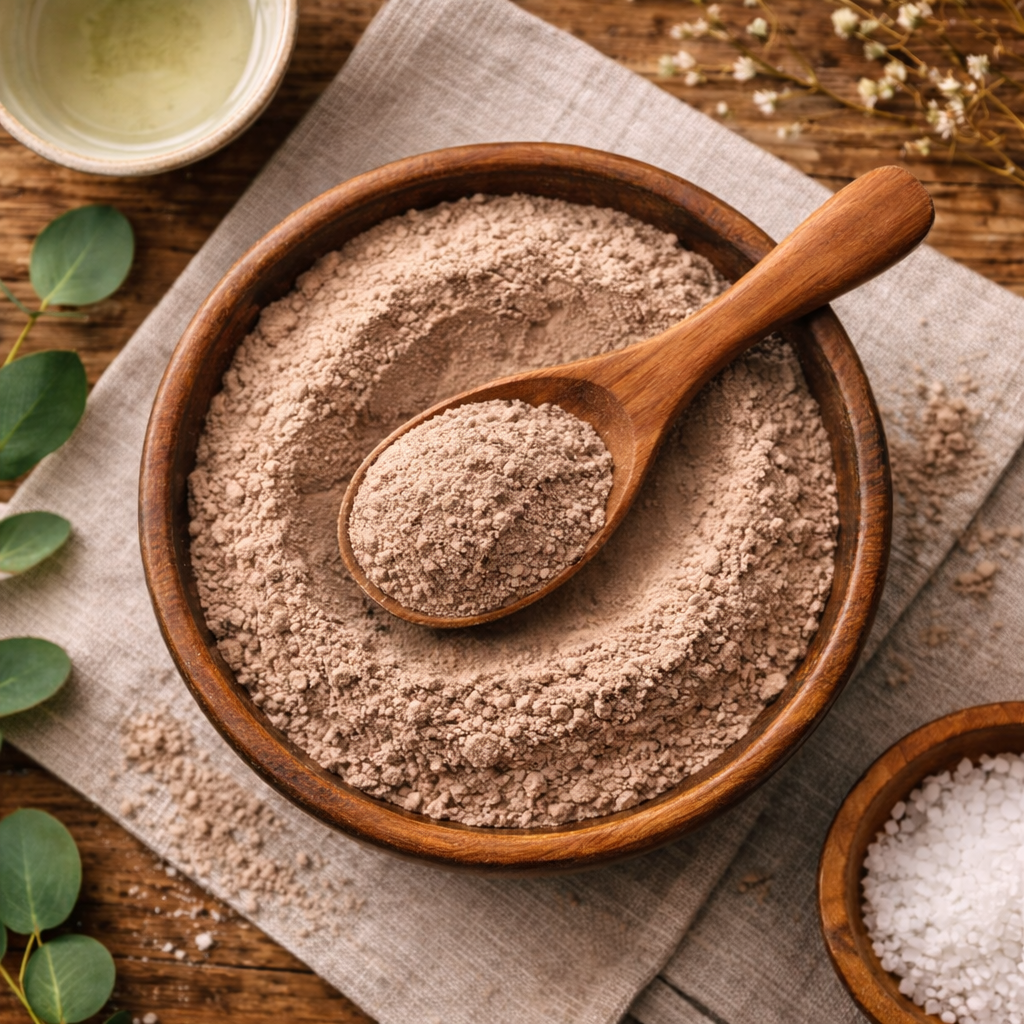
Rhassoul Clay
Rhassoul clay comes from the Atlas Mountains of Morocco and has been used in traditional skincare for centuries.
Benefits of Rhassoul Clay
Helps cleanse and detox the skin
Improves skin texture
Rich in silica, magnesium, and potassium
Adds a luxurious silky feel to soap
Rhassoul clay is often used in premium soaps because of its high mineral content.
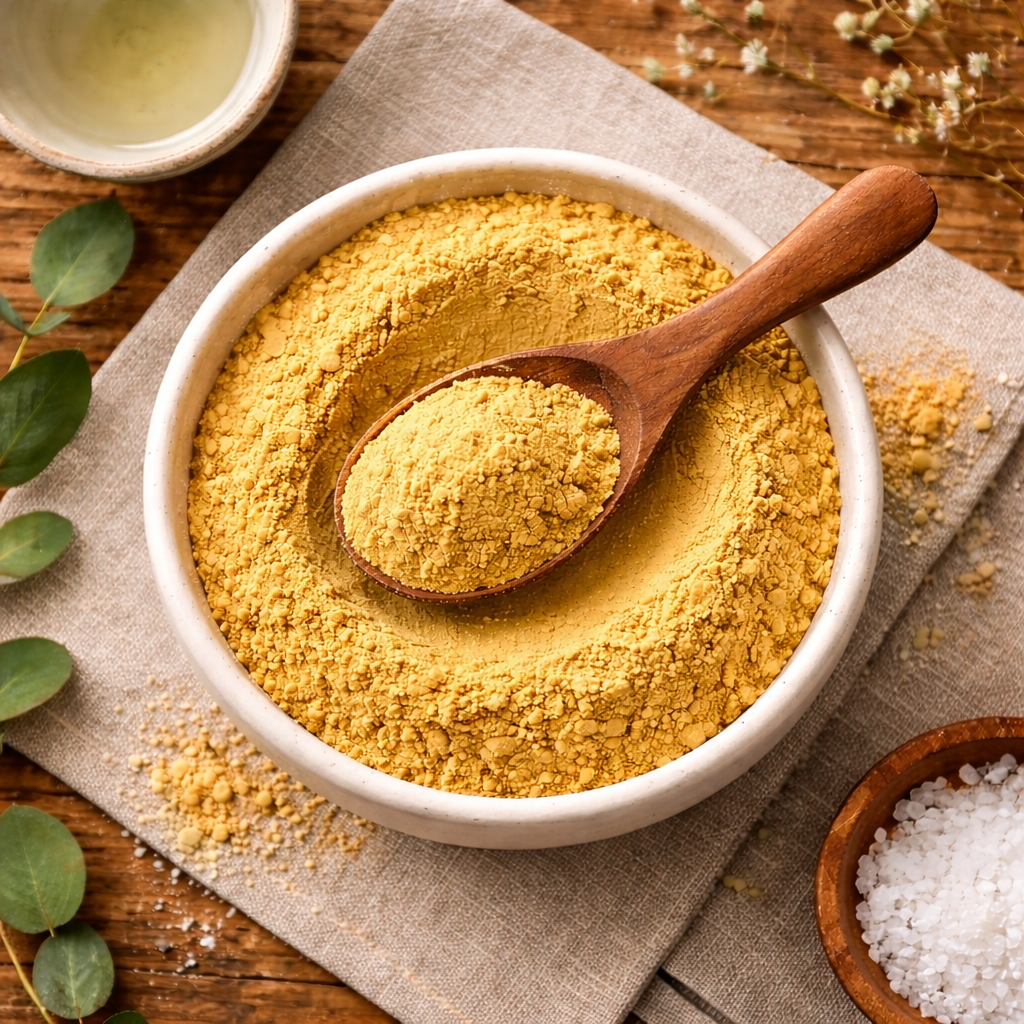
Brazilian Yellow Clay
Brazilian yellow clay is a gentle clay known for supporting skin health while providing a warm natural color.
Benefits of Brazilian Yellow Clay
Rich in minerals
Helps support healthy-looking skin
Adds natural golden tones to soap
Gentle enough for everyday use
It is often used in soaps designed to feel soft, soothing, and nourishing.
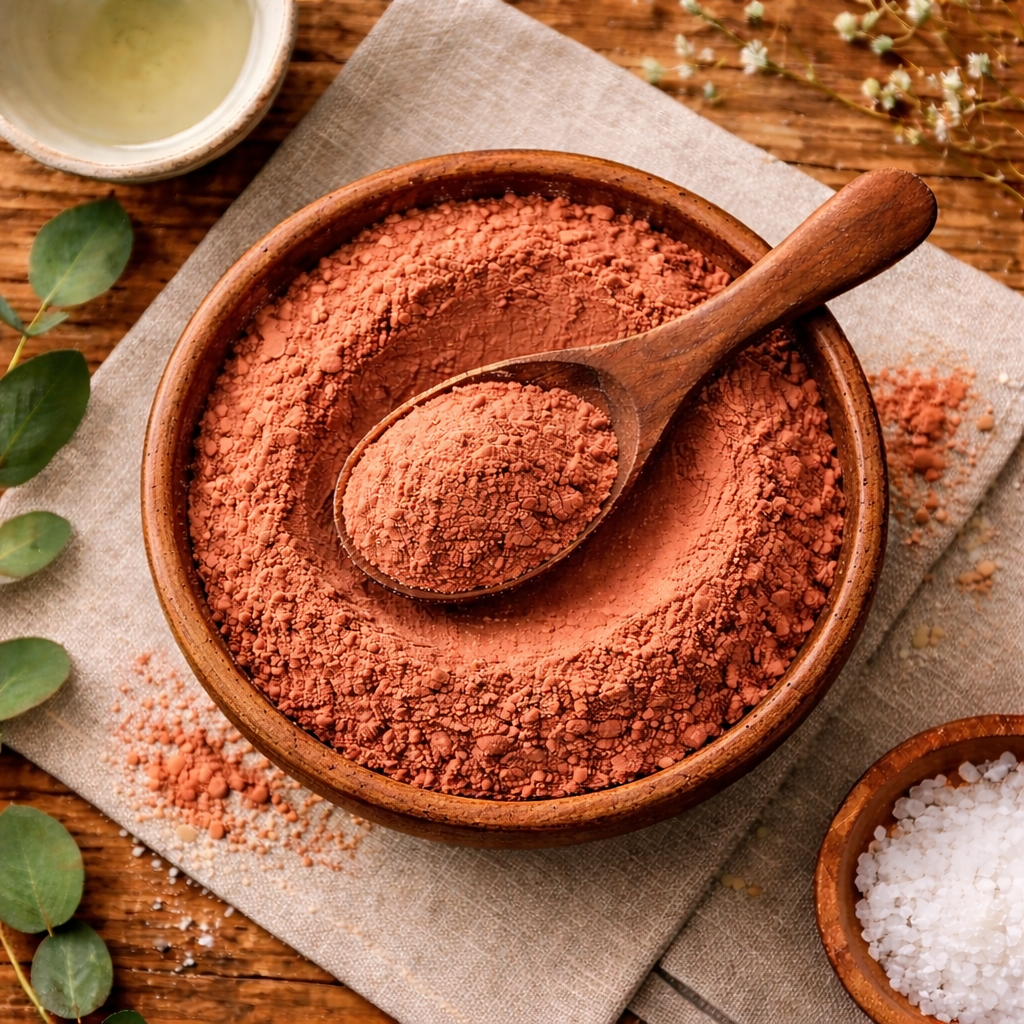
Moroccan Red Clay
Moroccan red clay is rich in iron oxide and provides a natural reddish tone to soap while helping purify the skin.
Benefits of Moroccan Red Clay
Helps draw impurities from the skin
Supports circulation and skin clarity
Adds beautiful natural color
Ideal for normal to oily skin types
This clay is often used in artisan soaps to provide both color and cleansing benefits.
Why Natural Ingredients Matter
Handcrafted soap is about returning to simple, effective ingredients. Natural clays are a perfect example of this philosophy. They provide benefits without synthetic additives, relying instead on minerals that come directly from the earth.
When combined with quality oils and careful craftsmanship, clays help create a bar that feels balanced, cleansing, and nourishing.
A Return to Traditional Soapmaking
Many modern soaps rely on artificial additives to create color and texture. Artisan soapmakers often take a different approach—using natural ingredients like clays to enhance the soap in a way that feels both traditional and purposeful.
Natural clays bring beauty, performance, and simplicity to handmade soap, making them a favorite ingredient among traditional soapmakers.